


Why Local Internet Performs Better than National Providers on Game Day
Game day is supposed to be fun. Friends over, snacks ready, screens fired up. But for a lot of households, it turns into a familiar frustration: buffering, lag, frozen screens, and that dreaded spinning wheel right as the big play happens.
If you’ve ever wondered why your internet suddenly struggles during major sporting events, concerts, or national live streams, the answer usually comes down to congestion, infrastructure, and support. And this is where local internet providers have a real advantage.
National Events Create Nationwide Congestion
When millions of people across the country tune into the same live event at the same time, internet demand spikes fast. National providers often route huge volumes of traffic through shared, centralized networks. That means your connection is competing with users in other states, other cities, and even other regions.
On game day, this congestion shows up as:
- Slower speeds during peak hours
- Increased buffering and pixelation
- Lag on live streams and online games
- Dropped connections when demand peaks
Even if you pay for “high speeds,” congestion can override that promise. Your internet plan might look great on paper, but real-world performance depends on how crowded the network is when everyone logs on at once.

Local Infrastructure Keeps Traffic Closer to Home
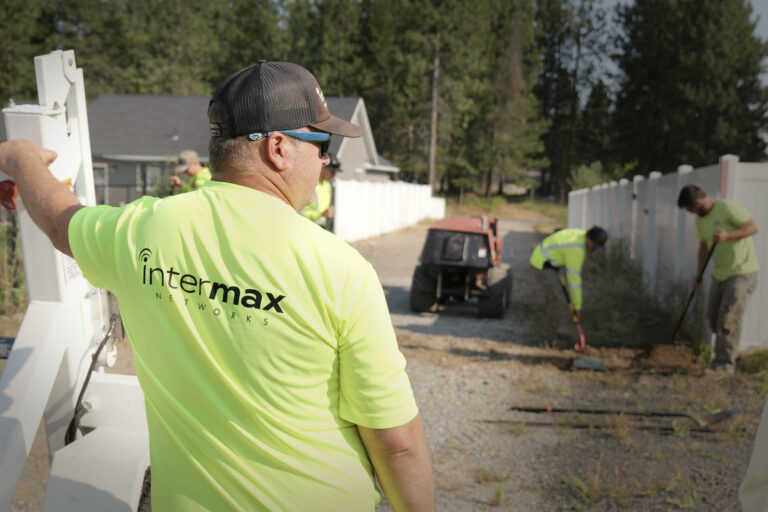
Local internet providers build and manage infrastructure designed specifically for the communities they serve. Instead of pushing your data across long, national routes, local networks keep traffic closer to home.
This matters more than most people realize.
With local infrastructure:
- Fewer users are competing for the same bandwidth
- Data travels shorter distances, reducing latency
- Networks are engineered with local usage patterns in mind
- Capacity upgrades happen based on real community demand
In short, your connection is not fighting with half the country for space on the network. When your neighbors are watching the game, your local provider has planned for that.
This is especially noticeable with fiber and well-managed fixed wireless networks, where capacity and performance stay more consistent even during peak usage.
Consistent Performance When Timing Matters Most
Live sports are unforgiving when it comes to delays. A few seconds of lag means spoilers from group texts, social media alerts before the play loads, and missed moments that can’t be replayed the same way live.
Local networks tend to deliver:
- Lower latency for live streams
- More consistent speeds during peak hours
- Fewer sudden drops when demand spikes
It’s not just about speed. It’s about stability. Game day performance depends on how well a network handles real-time demand, not just advertised download numbers.
Faster Support When Something Goes Wrong
When your internet fails during a big event, timing matters. Waiting hours or days for support is not helpful when the game is happening now.
Local providers offer a different experience:
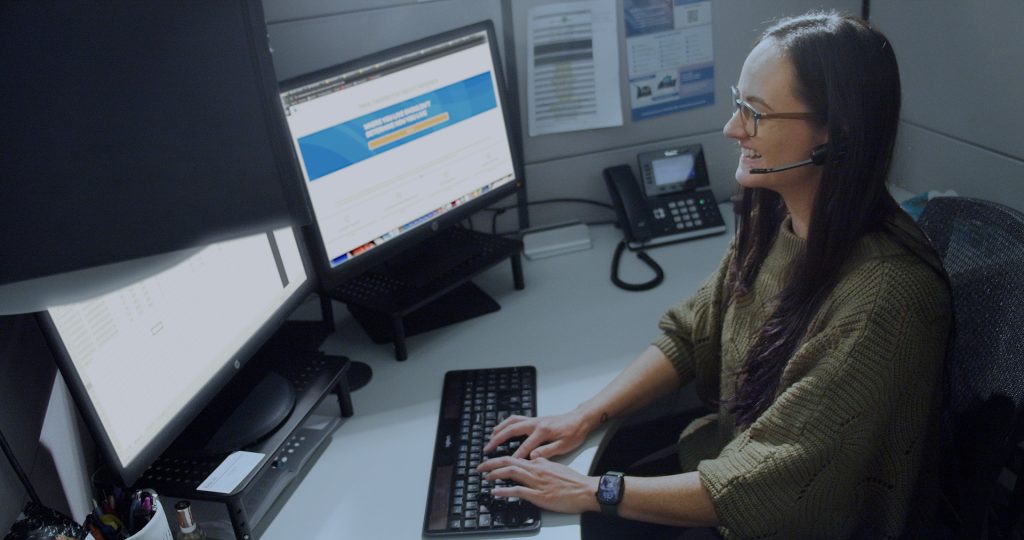
- Support teams are nearby and familiar with the network
- Issues are diagnosed faster because technicians know the infrastructure
- You are not stuck in a national call queue
- Problems can often be resolved the same day
Instead of explaining your issue to someone across the country who has never seen your neighborhood, you’re talking to people who built, maintain, and actively monitor the network you use.
That difference becomes especially important during high-demand events, when small issues can escalate quickly if they are not addressed fast.
Local Providers Are Accountable to Their Communities
National providers answer to shareholders and massive customer bases. Local providers answer to the people they serve every day.
That accountability shows up in:
- Proactive network upgrades
- Transparent communication during outages
- Faster response times
- A real incentive to keep customers happy
When your reputation depends on your neighbors, performance matters more. Game day is not just another line on a usage chart. It’s a moment people care about.
The Bottom Line
If your internet struggles every time there’s a big game, it’s not bad luck. It’s usually a network built for scale instead of reliability.
Local internet providers are designed for moments like game day. Less congestion, smarter infrastructure, and faster support make a real difference when everyone is online at once.
Switch to a local provider you can trust and enjoy game day without the lag.
Find Connection with Intermax Networks
Locally owned and operated since 2001, we’re proud to offer high-speed wireless internet, fiber, voice services, and more to thousands of residential and commercial customers. Headquartered in Coeur d’Alene with offices in Spokane, Seattle, Sandpoint, and St. Maries, Intermax is the local’s choice for reliable service in hard-to-reach places.
Our friendly support team is here to answer any questions you may have. Visit Intermax Networks, or call us at (208) 568-7979 today!
Explore Related Topics