


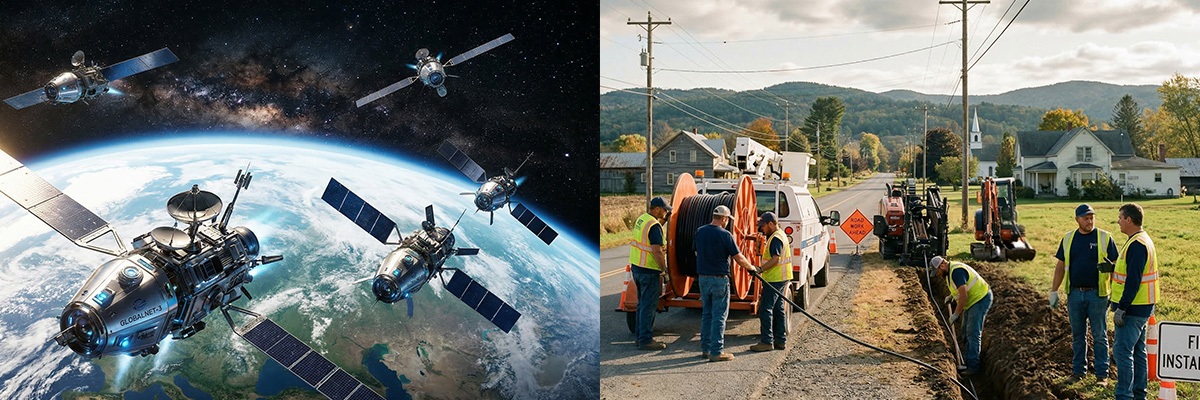
Starlink, Satellite TV, and Fiber Internet: What’s the Real Difference?
If you live in a rural area, you’ve probably heard mixed messages.
“Satellite is your only option.”
“Starlink is the future.”
“Fiber is faster, but it’s not everywhere.”
It can get confusing quickly because people often mix two completely different things: internet service and TV service. But most households today want something simple: Watch what you want, when you want.
That usually means streaming your favorite shows and movies instead of waiting for scheduled TV programming. To do that, the most important thing you need isn’t a satellite TV package. It’s reliable internet.
Let’s break down the three technologies people most often compare: satellite TV, satellite internet, and fiber internet.
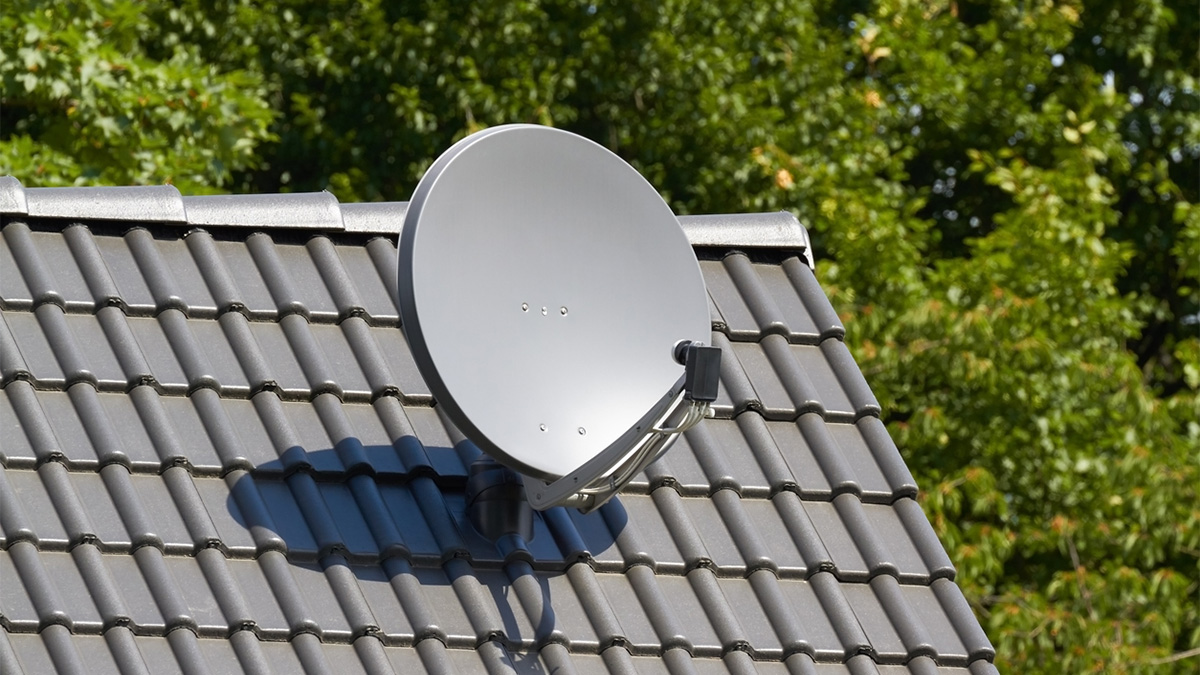
- Satellite TV (DISH and DirecTV)
- This is the oldest model many rural households are familiar with.
- Satellite TV delivers television channels, not internet.
- A dish on your home receives signals from a satellite in space and sends them to your TV receiver.
- You then watch programming based on the channel lineup and schedule provided by your provider.
Here’s how it works:
- A satellite dish is installed on your home.
- The signal travels from your house to a satellite in space.
- Then it travels back down to a ground station and out to the internet.
That’s a long trip.
Pros of Satellite TV | Cons of Satellite TV |
|
|
|
|
|
|
|
|
Satellite TV works well if you want traditional television.
But most households today prefer on-demand streaming through services like Netflix, Hulu, or YouTube TV.
And that requires internet, not a TV dish.
Satellite Internet (Starlink, HughesNet, Viasat)
Satellite internet is different. Instead of delivering TV channels, it acts as a connection to the internet, similar to fiber or cable.
But the signal travels a long distance:
- Your dish sends a signal to a satellite in space
- The satellite sends the signal to a ground station
- Data travels back the same route to your home
That round trip can create delays called latency.
Pros of Satellite TV | Cons of Satellite TV |
|
|
|
|
|
|
|
|
Satellite internet is valuable when nothing else is available. But it isn’t always ideal for high-demand households with multiple devices streaming at once.
Starlink: A New Type of Satellite Internet
Starlink is a newer type of satellite internet developed by SpaceX.
Instead of relying on one large satellite far from Earth, Starlink uses thousands of low-orbit satellites that move across the sky. Because they’re closer to the ground, speeds and latency are better than traditional satellite internet.
It’s an improvement over older satellite systems. But at the end of the day, it’s still wireless internet delivered from space, and that comes with a few practical trade-offs.
Potential Downsides of Starlink
- It Requires a Clear View of the Sky
Starlink needs a completely unobstructed view overhead. In wooded or mountainous areas common across North Idaho, trees, hillsides, and nearby structures can interfere with signal quality.
- Self-Installation Is Required
Homeowners are responsible for mounting the dish, running cables into the home, and troubleshooting setup. Depending on your roofline or property layout, you may also need additional mounting accessories.
- Equipment Must Stay Powered
The system requires constant power to function, which adds another piece of always-on equipment to your home.
- Weather Can Impact Performance
Because the signal is transmitted wirelessly from satellites overhead, heavy snow, storms, or ice buildup can affect speeds or temporarily interrupt service.
- Speeds Can Fluctuate During Peak Hours
Like many wireless systems, performance may vary during busy evening hours when more users are online.
For households that rely on internet for remote work, online school, streaming, gaming, and smart home devices, that variability can feel frustrating.
Pros of Starlink | Cons of Starlink |
|
|
|
|
|
|
|
|
|
|
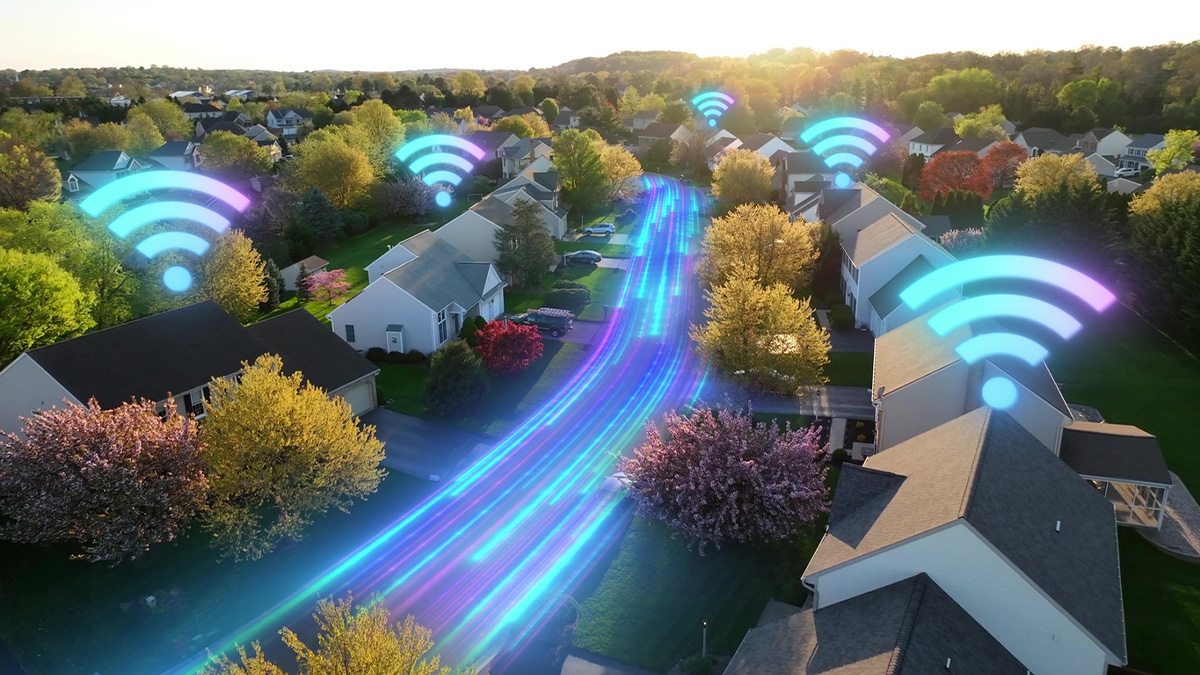
Fiber Internet
Fiber internet uses underground or aerial fiber-optic cables that transmit data using light. Instead of sending signals to space and back, fiber sends data directly through physical lines connected to your home.
Fiber is currently the fastest and most stable residential internet technology available. In simple terms, fiber doesn’t just meet today’s internet needs. It’s built for what’s next.
Pros of Fiber | Cons of Fiber |
|
|
|
|
|
|
|
|
|
|
Another major advantage is capacity. Fiber networks are built to support today’s high-demand households and continue scaling for future technology. As households add more devices, work from home, stream in 4K, or rely on cloud-based applications, fiber has the bandwidth to keep up without slowing everyone down.
For households that depend on reliable internet for work, school, entertainment, and staying connected, fiber offers a level of speed and stability that wireless technologies simply can’t match.
Watch the explainer video: What is Fiber Internet?
What’s the Price Difference?
When comparing internet options, speed and reliability matter. But for most households, the big question is: What will this actually cost me?
Here’s what typical pricing looks like:
Startlink Costs
- Upfront equipment cost: around $599 for the hardware kit (dish, router, cables)
- Monthly service: typically $110 to $120 per month. Pricing can vary by region
- Other considerations: Shipping and taxes, Mounting accessories (sometimes needed), and service may be deprioritized in high-demand areas.
That means your first-year cost can easily land around:
$599 equipment + $120/month x 12 months = about $2,039 in year one before accessories or add-ons.
Intermax Fiber Pricing
With Intermax Fiber, pricing is structured differently. We offer plans and bundles designed to fit your lifestyle.
- No large equipment purchase required
- Professional installation included (or low-cost, depending on promotion)
- Fixed monthly pricing
- No surprise hardware replacement costs
All Fiber Plans Include:
- Home equipment and software (Gateway and Intermax Insights App)
- Home network and device setup
- Friendly, local support
- No bandwidth caps
- No contracts
- No surprise fees
Because fiber uses infrastructure that’s already built in your neighborhood—or that we’re actively building in your area—you’re not paying for space-based equipment or complicated installations. That means faster, more reliable internet with predictable costs and support from a team that’s local and accessible.
Side-by-Side Cost Comparison (First Year)
| Starlink | Intermax Fiber |
Upfront Equipment | $599 | $0–low install |
Monthly Cost | $110–$120 | $84+ (depending on plan or bundle) |
First-Year Total | $2,000+ | $1,008+ (depending on plan or bundle) |
Long-Term Hardware Replacement | Possible | Not your responsibility with Intermax Home Equipment (included) |
What You’re Really Paying For
With Starlink, you’re paying for:
- Advanced satellite technology
- Accessibility in remote locations
- Independent installation
- Name prestige
With fiber, you’re paying for:
- Direct local infrastructure
- Consistent speeds
- Low latency
- Stability in all weather
- Long-term reliability
If you’re comparing based on price alone, fiber usually wins on both upfront cost and long-term value where it’s available.
Speed Comparison
Here’s a simplified look:
Feature | Satellite TV | Traditional Satellite Internet | Starlink | Fiber |
Purpose | TV channels | Internet | Internet | Internet |
Speed | N/A | 12–100 Mbps | 50–250 Mbps | 300 Mbps – 1 Gbps+ |
Latency | N/A | High | Moderate | Very Low |
Weather Impact | Yes | Yes | Sometimes | None |
Data Caps | N/A | Usually | Sometimes | No |
Best For | Scheduled TV viewing | Basic browsing | Rural households needing internet | Streaming, gaming, remote work |
If your household includes:
- Remote workers
- Online students
- Gamers
- Streamers
- Smart home devices
- Multiple TVs and phones
Fiber simply handles that load more smoothly.
Why Latency Matters (More Than You Think)
Latency is the delay between when you click something and when it responds.
You may not notice high latency when browsing Facebook. But you’ll absolutely notice it when:
- You’re on a Zoom call
- Your kid is gaming online
- You’re uploading large files
- You’re working remotely
Satellite internet has higher latency because the signal travels thousands of miles into space and back.
Fiber travels directly through cable. That’s why it feels instant.
In Summary:
Feature | Starlink | HughesNet / Viasat | DISH/ DirecTV Bundles | Intermax Fiber |
Upfront Hardware Cost | ~$599 | ~$199–$499 | Often included with bundle, but may vary | Included or low-cost promotion |
Speed | 50–250 Mbps | 12–100 Mbps | 12–50 Mbps | 300 Mbps – 1 Gbps |
Latency | Moderate | High | High | Very Low |
Weather Impact | Sometimes | Often | Often | None |
Data Caps | Sometimes | Yes | Yes | No |
Support | Remote | Remote | Remote | Local, friendly, hands-on |
Best For | Rural homes needing internet | Basic browsing / email | Streaming TV + light internet | Families, streaming, gaming, remote work |
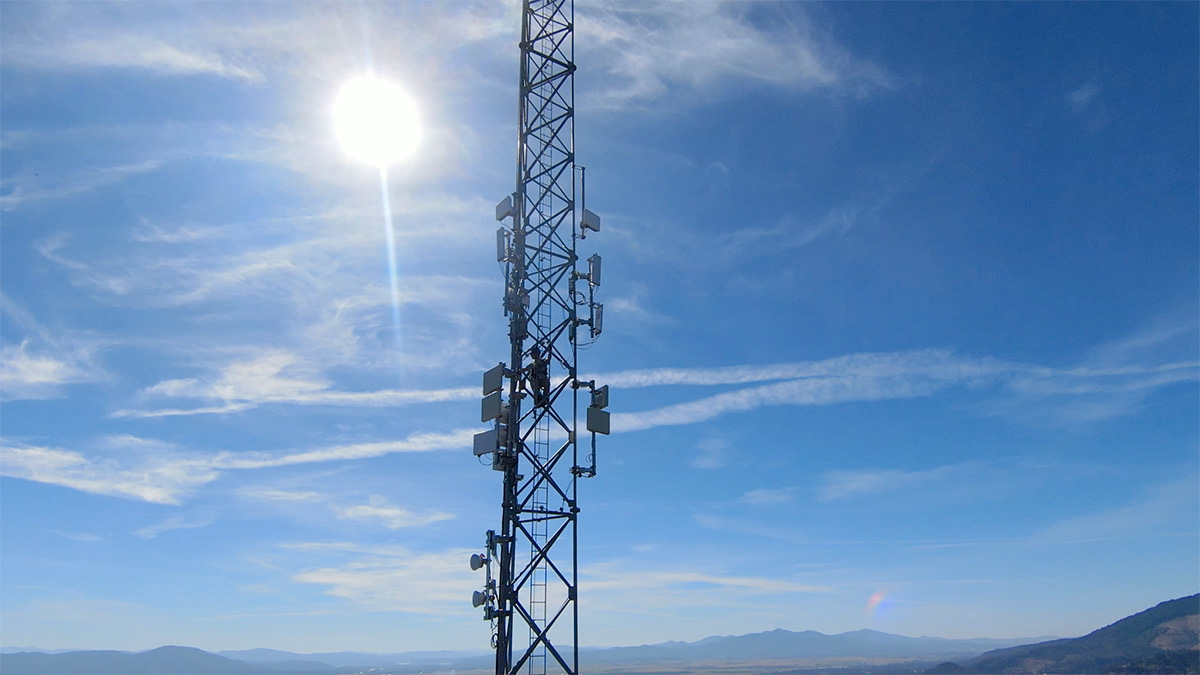
Fixed Wireless: A Great Alternative When Fiber Isn’t Available
Not every home has fiber access right now, and for households in remote or developing areas, that can be frustrating. If your home is:
- In a very remote location
- Outside current fiber service areas
- On a new build or undeveloped property
Fixed wireless can be a smart solution. Like Starlink, it delivers high-speed internet without the need for underground cables, but it connects via local towers rather than satellites in space. This means lower latency, fewer weather-related interruptions, and a more reliable experience than traditional satellite internet.
While fixed wireless is a great stopgap, most households switch to fiber when it becomes available to enjoy the unmatched speed, stability, and long-term value of a direct, wired connection.
Watch the explainer video: What is Fixed Wireless Internet?
The Bottom Line
Most people today aren’t looking for TV channels. They’re looking for freedom to watch what they want, when they want.
That shift has changed how home technology works:
- Internet becomes the foundation
- Streaming replaces traditional TV
- The faster and more reliable your connection is, the better the experience
Satellite TV delivers content. Satellite internet delivers access. But fiber delivers the speed, stability, and capacity modern households rely on.
When it comes to price, speed, and low latency, fiber wins every time.
Many satellite options seem attractive at first—especially Starlink with its high-tech image—but they can’t match the speed, reliability, or support of Intermax Fiber. With fiber, you get equal or better performance, the best price, and more choices for streaming and content, all backed by a local team you can call anytime.
The facts are clear: the real flex is fiber.
Ready to upgrade?
Find Connection with Intermax Networks
Locally owned and operated since 2001, we’re proud to offer high-speed wireless internet, fiber, voice services, and more to thousands of residential and commercial customers. Headquartered in Coeur d’Alene with offices in Spokane, Seattle, Sandpoint, and St. Maries, Intermax is the local’s choice for reliable service in hard-to-reach places.
Our friendly support team is here to answer any questions you may have. Visit Intermax Networks, or call us at (208) 568-7979 today!
Explore Related Topics